
An Incredibly Easy Method That Works For All
10 Apr 2021
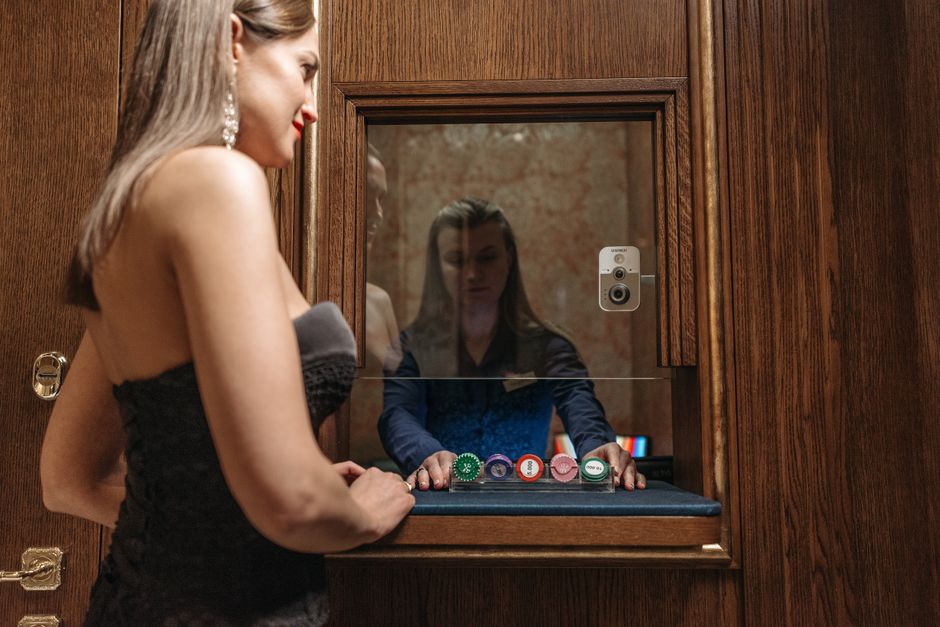
Most casino players lose money for one boring reason: they don't understand the math they're up against. Not because the games are rigged, not because the software is out to get them, but because they walk into a session with no clue how a house edge actually works over 500 spins. That gap between gut feeling and reality is where bankrolls go to die.
This isn't another lecture about gambling responsibly. It's a breakdown of the mechanics that decide whether you're a player with a plan or just someone donating to a casino's quarterly earnings. Let's get into it.
You'll see a slots page scream "96.5% RTP!" like it's a coupon. Here's the thing: RTP, or Return to Player, is a theoretical number calculated over millions of spins, often simulated billions of times. It does not mean you'll get 96.5% of your money back in a Tuesday night session. It means that across an absurdly large sample, the game pays out that percentage.
The gap between RTP and 100% is the house edge. A 96.5% RTP slot has a 3.5% edge. Sounds small. Run $1,000 through it with average bet sizing and you're statistically expected to lose $35 — except variance means you could be up $400 or down $700 depending on how the reels fall. That's the part nobody puts on the marketing banner.
Two slots with identical RTP can behave completely differently. A high-volatility game like Money Train 3 might pay out 96.5% but do it through rare massive wins, while a low-volatility game like Starburst pays that same 96.5% through frequent small nibbles. Same number, totally different session experience.
Blackjack with basic strategy and favorable rules sits at roughly 0.5% house edge. That's dramatic compared to most slots and even most table games. But here's where players trip over themselves: basic strategy isn't optional. It's a specific decision matrix for every hand combination — when to hit, stand, double, split, and surrender.
Play by gut and you can easily give the house a 2% or 3% edge. That's a four to six times worse position than you could have. Learn the chart, drill it until it's automatic, and you've done more for your bankroll than any betting system ever will.
Card counting works mathematically, but in 2025 the countermeasures are brutal. Shuffle machines, penetration rates, and surveillance AI have taken most of the edge. It's worth learning the theory, but don't expect it to fund a lifestyle.
Let's look at a basic moneyline. Team A at -150, Team B at +130. Convert to implied probability: -150 means you need to win 60% of the time to break even, and +130 means 43.5%. Add those up and you get 103.5%. That extra 3.5% is the sportsbook's vig, and it's baked into every line.
Sharp bettors hunt for reduced-juice lines, typically -105/-105, which knocks the vig down to around 4.8% on the pair rather than the standard 7-8%. Over 500 bets, that difference is real money. The point isn't to win every bet — it's to grind out a small edge over time.
Common mistakes in sports betting:
This is critical. In slots, blackjack, roulette, and sports betting, you're playing against the house or the line. In poker, the house just takes a rake — usually 5% of the pot capped at a few dollars. Everything else moves between players. You can read more about it on สล็อต.
That means your win rate is relative to the table, not an RTP number. A strong player at a soft table can crush a 5-10 big blinds per 100 hands win rate. A mediocre player at a table full of grinders will bleed out, even with the same game rules.
Three leaks that consistently separate winning and losing players:
Poker rewards study in a way casino games simply can't. You can spend 100 hours on slots and still be down because the math says so. In poker, 100 hours of focused study and play will show measurable improvement.
Your bankroll is the total amount you've set aside for gambling — not rent money, not grocery money, not emergency fund money. Separate account, separate mental category. If you can't lose it without changing your life, you've already made the mistake.
A practical guideline for slots players: 200-300 units per session, where one unit is your average bet. If you're betting $1 spins, that's a $200-$300 session bankroll for a few hours of play. If that number makes you uncomfortable, drop your bet size — never the other way around.
For poker, cash game bankrolls should be 20-40 buy-ins depending on the stakes and your win rate. Tournament bankrolls should be 50-100 buy-ins because the variance is brutal. These aren't suggestions. They're survival math.
Welcome bonuses and free spins sound great until you hit the wagering requirements. A "100% up to $500" bonus might come with 40x wagering on the bonus amount with slot contributions capped at certain percentages. That means you need to wager $20,000 before withdrawing. At a 3.5% house edge on slots, you're statistically expected to lose $700 before clearing the requirements.
The math only makes sense if the RTP is high, the wagering is reasonable (20x or lower), and the game contributions are generous. Otherwise you're paying for the bonus with your variance. Free spins with a 20x max cashout and 50x wagering aren't free — they're a lottery ticket dressed up as a gift.
My rule: if it takes more than 60 seconds to understand the terms, it's not worth chasing. There are plenty of straightforward promos out there. Take those.
None of this makes gambling a guaranteed profit. It doesn't. The house edge is real, and every game on every platform is built to grind you down over time. But the difference between a player who understands RTP, volatility, vig, rake, and bankroll math — and one who doesn't — is the difference between a controlled session and a slow leak.
The math decides the game. Your job is deciding whether you want to watch it happen or understand it while it does. Choose wisely, size your bets to your bankroll, and treat every bonus like the contract it is. That's how people who actually know what they're doing play.

Coastalloft Simple, genuine and looked after with care — the kind of place worth returning to.

April 25, 2019 at 10:46 am
Take in the iconic skyline and visit the neighbourhood hangouts that you've only ever seen on TV. Take in the iconic skyline and visit the neighbourhood.


Want to be notified when we launch a new template or an udpate. Just sign up and we'll send you a notification by email.


Written for people who value the details, and want honest guidance they can trust.

Soldman Kell
April 25, 2019 at 10:46 am
Take in the iconic skyline and visit the neighbourhood hangouts that you've only ever seen on TV. Take in the iconic skyline and visit the neighbourhood.