
An Incredibly Easy Method That Works For All
10 Apr 2021
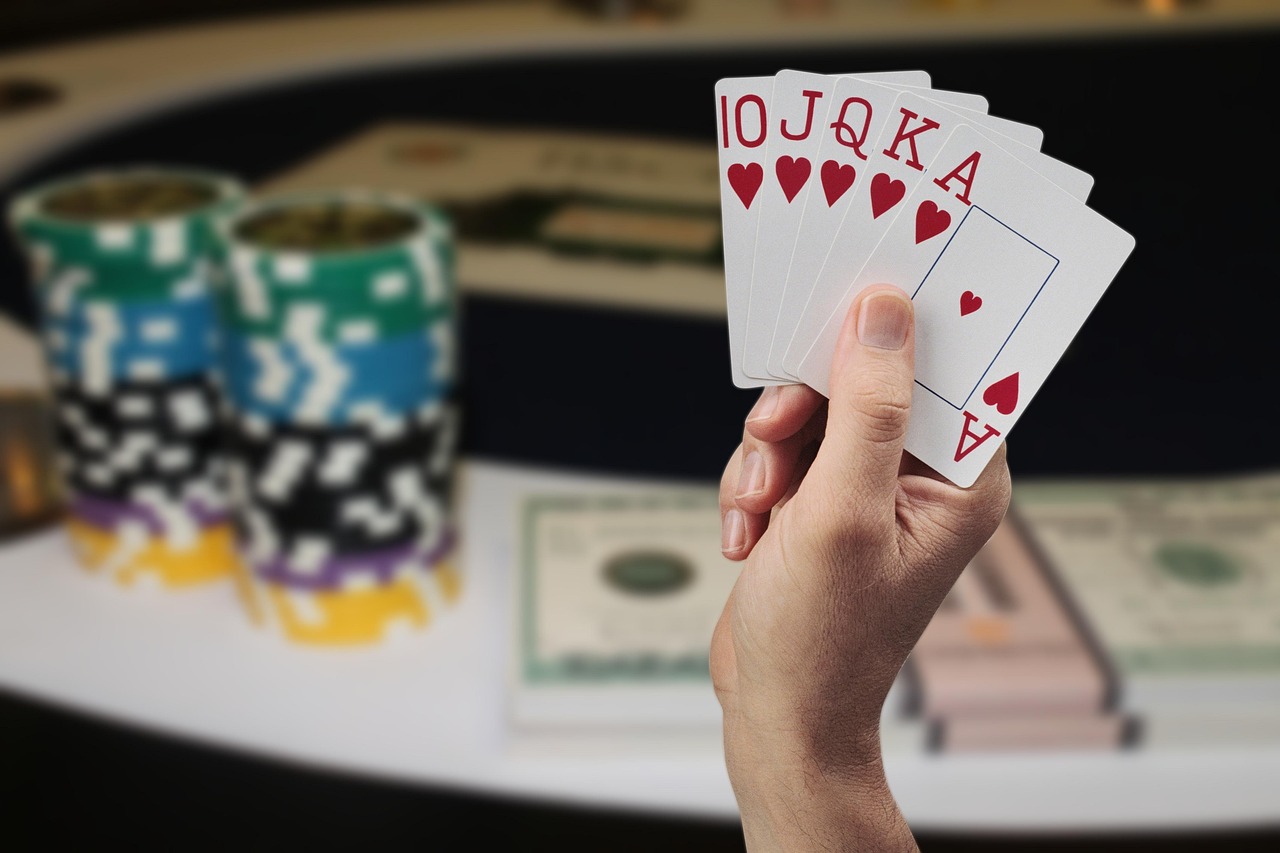
Ask ten slot players why they choose a particular machine and you'll get ten different answers. The theme. The jackpot. The fact that it "felt hot" last Tuesday. Very few will mention the number that actually governs every spin: the RTP, or Return to Player percentage. And that's not a knock on anyone — the industry has spent decades making sure you're looking at the flashing lights, not the payout table in the fine print.
That's a shame, because understanding a few core mechanics doesn't ruin the fun. If anything, it sharpens it. You stop chasing ghosts and start making decisions with your eyes open. Let's dig into the numbers, the myths, and the small adjustments that separate a frustrating session from a genuinely entertaining one.
Every regulated slot has a published RTP. A 96% RTP means that, over millions of spins, the machine returns 96 cents for every dollar wagered. It says nothing about your next twenty spins. It's a long-run average, calculated across an enormous sample size — think tens of millions of rounds, not your Friday night bankroll.
Volatility is the other half of the story, and it's arguably more important for how a session actually feels.
Here's the practical takeaway: a 96.5% RTP high-volatility slot and a 96.5% RTP low-volatility slot have identical expected returns but completely different session profiles. If you have $50 and want two hours of play, high volatility will likely eat you alive. If you have $50 and you're chasing a jackpot, low volatility will bore you into making reckless bets.
Match the game to the goal. That single habit will improve your experience more than any "strategy" sold online.
A slot machine has no memory. It doesn't know you've lost eight spins in a row. Each spin is an independent event, governed by a random number generator that reseeds constantly. The idea that a machine is "due" for a payout is the gambler's fallacy, and it's the most expensive misconception in the casino.
The flip side is also true: a machine that just paid out a huge jackpot isn't "cold." It's just as likely to pay again on the next spin as it was before. Jackpot progressives are a slight exception — the meter grows with each wager, so a larger jackpot technically means a higher expected value per spin — but the odds of hitting it remain astronomically small, and the increase is marginal.
Where this matters most is bankroll management. If you're playing based on superstition, you'll keep feeding a machine that's already burned through your budget because "it has to hit soon." It doesn't. Walk away on a schedule, not on a feeling.
Slots are pure chance. Poker is chance plus skill, and the skill portion compounds over time. A good player can beat a bad table consistently; a good slot player cannot beat a bad RTP.
The single most underrated poker concept for casual players is position. Acting last in a hand gives you information everyone else doesn't have. You see what opponents do before you commit chips. Over thousands of hands, that informational edge is worth more than any bluffing trick.
A few fundamentals worth internalizing:
Compare that to slots, where the only decisions are which game to play, how much to bet per spin, and when to stop. Poker rewards study. Slots reward discipline. It is also worth checking สล็อต before deciding.
In betting, the margin is everything. A bookmaker builds a profit into the odds — typically 4% to 8% on a standard two-way market. That margin doesn't disappear because you found a "lock." But it does vary between books, and that variation is where sharp bettors operate.
Imagine two sportsbooks pricing a coin-flip-style market. Book A offers -110 on both sides. Book B offers +105 on one side. If you bet the +105 side at Book B, your break-even rate drops from 52.4% to roughly 48.8%. That's a four-point swing in required win rate, purely from line shopping. Over a season of hundreds of bets, that gap is the difference between a losing year and a profitable one.
Other concrete edges worth knowing:
None of this makes betting a reliable income stream. It makes it a game where you're not bleeding unnecessarily.
Every game in the casino has a built-in advantage for the operator. That's not a moral failing; it's the business model. Slots might carry a 2% to 10% edge depending on the game and jurisdiction. Blackjack with basic strategy can get down to 0.5%. Baccarat banker bets sit around 1.06%. Poker is the outlier — the house takes a rake instead of playing against you.
Understanding the edge tells you where your money goes and how fast. A 5% house edge on slots means your expected loss per $100 wagered is $5. It doesn't mean you'll lose $5 every session, but over time, that's the direction.
The practical move is to treat the edge as a cost of entertainment, like a movie ticket. Budget it before you sit down. When it's gone, the show's over. Players who do this consistently report more enjoyment, not less, because they're never chasing money they can't afford to lose.
The industry thrives on players who don't. The flashing lights, the near-miss animations, the carefully calibrated sound design — all of it is engineered to keep you spinning past the point of good judgment. Knowing the RTP and volatility of the slot you're playing, respecting the house edge, line shopping your bets, and walking away on schedule are not joyless restrictions on your fun. They're the difference between a hobby you control and a hobby that controls you.
You don't need to be a mathematician. You just need to know which numbers matter. Once you do, the whole floor looks different — and you'll be the one deciding when to stop, not the machine.

Coastalloft Simple, genuine and looked after with care — the kind of place worth returning to.

April 25, 2019 at 10:46 am
Take in the iconic skyline and visit the neighbourhood hangouts that you've only ever seen on TV. Take in the iconic skyline and visit the neighbourhood.


Want to be notified when we launch a new template or an udpate. Just sign up and we'll send you a notification by email.


Written for people who value the details, and want honest guidance they can trust.

Soldman Kell
April 25, 2019 at 10:46 am
Take in the iconic skyline and visit the neighbourhood hangouts that you've only ever seen on TV. Take in the iconic skyline and visit the neighbourhood.