
An Incredibly Easy Method That Works For All
10 Apr 2021
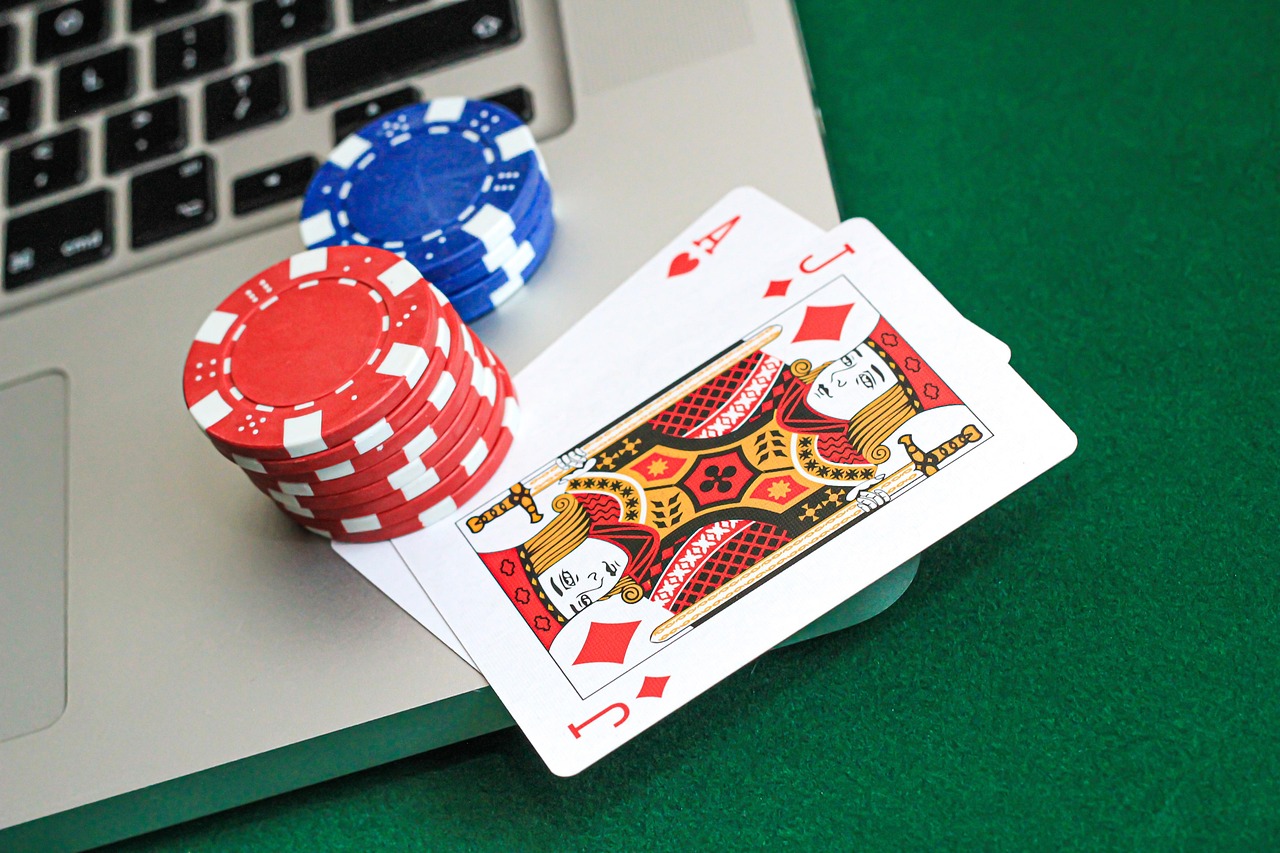
Most people who open a casino account or fire up a poker client for the first time assume the hardest part is learning the rules. It isn't. The rules of blackjack take ten minutes to grasp. The tragedy is that thousands of players never figure out the difference between a game they can beat and a game that is mathematically designed to bleed them dry. That distinction—variance versus expected value—is where real bankrolls live or die.
I've spent years watching recreational players make the same expensive mistakes across slots, sportsbooks, and poker tables. The platforms know this. They build their entire revenue model around it. But you don't have to be the mark. Let's talk about what actually matters if you want to treat iGaming as something more than a lottery ticket.
Every game in a casino, online or otherwise, comes with a built-in mathematical advantage for the operator. This isn't sinister; it's how they keep the lights on. But the size of that edge varies wildly depending on what you choose to play, and most casual bettors never bother to check.
Consider the spread:
Do you see the problem? Someone grinding slots at a 10% edge is losing money twenty times faster than someone playing decent blackjack. And yet slots remain the most popular product in the industry by a massive margin. Why? Because they're simple, they're flashy, and they offer the illusion of a big score. The math doesn't care about your feelings.
If you genuinely want to stretch your bankroll, you don't need to be a card counter. You just need to understand that not all games are created equal.
Let's be honest about slots. You cannot skill your way to profitability on a slot machine. RNG-based games don't care how long you've been playing, how much you've lost, or whether you "feel" a jackpot coming. The concept of a machine being "due" is pure fiction.
That said, slot players can make smarter choices:
Progressive jackpots deserve a special mention. The million-dollar payouts are real, but the odds of hitting them are astronomically small. Play them for fun, not as a retirement plan.
Here's the uncomfortable truth: poker is the one vertical in iGaming where skill can genuinely overcome the house's cut (the rake). Everything else is a negative-sum game against the casino. Poker is a negative-sum game against other players, with the house taking a slice.
That means if you're better than your opponents, you profit. If you're worse, you lose—and you lose faster than you'd think. The rake is brutal at low stakes. Online micro-stakes games frequently have rakes that consume 5-10% of every pot, which means you need a significant edge just to break even.
What separates winning poker players from losing ones? A detailed guide is available at สล็อต.
If you're not willing to put in that work, stick to casual play. There's no shame in it. But don't sit down at a $2/$5 table thinking you'll outplay the regulars because you watched a few YouTube videos.
Sports betting has exploded in popularity, and with that explosion comes a flood of recency bias and emotional decision-making. Casual bettors love favorites, parlay everything, and chase losses on Sunday night football. Sharp bettors do the opposite.
The core principle is simple: you're looking for lines that are wrong. Sportsbooks set their odds to balance action and guarantee a profit. When the public piles onto a popular team, the line moves. If you can identify situations where the line has overcorrected—due to public sentiment, injury news, or weather—you can find value.
Practical tips for betting smarter:
You can be the best poker player in the world and still go broke if you don't manage your money correctly. Bankroll management isn't glamorous. It's not what the ads show. But it's the difference between treating iGaming as a sustainable hobby and blowing your rent money on a Tuesday night.
The basics:
The casino industry doesn't want you to think about this. They want you to think about the next spin, the next hand, the next big win. Your job is to think longer-term than they do.
iGaming is entertainment. For the vast majority of players, it will never be a reliable income stream. That's fine. But if you're going to spend your money, spend it intelligently. Understand the math, pick your games carefully, and never bet more than you can afford to lose. The house always has an edge—but that doesn't mean you have to hand it to them without a fight. Play smart, stay disciplined, and remember that the best players are the ones who know when to walk away.

Coastalloft Simple, genuine and looked after with care — the kind of place worth returning to.

April 25, 2019 at 10:46 am
Take in the iconic skyline and visit the neighbourhood hangouts that you've only ever seen on TV. Take in the iconic skyline and visit the neighbourhood.


Want to be notified when we launch a new template or an udpate. Just sign up and we'll send you a notification by email.


Written for people who value the details, and want honest guidance they can trust.

Soldman Kell
April 25, 2019 at 10:46 am
Take in the iconic skyline and visit the neighbourhood hangouts that you've only ever seen on TV. Take in the iconic skyline and visit the neighbourhood.